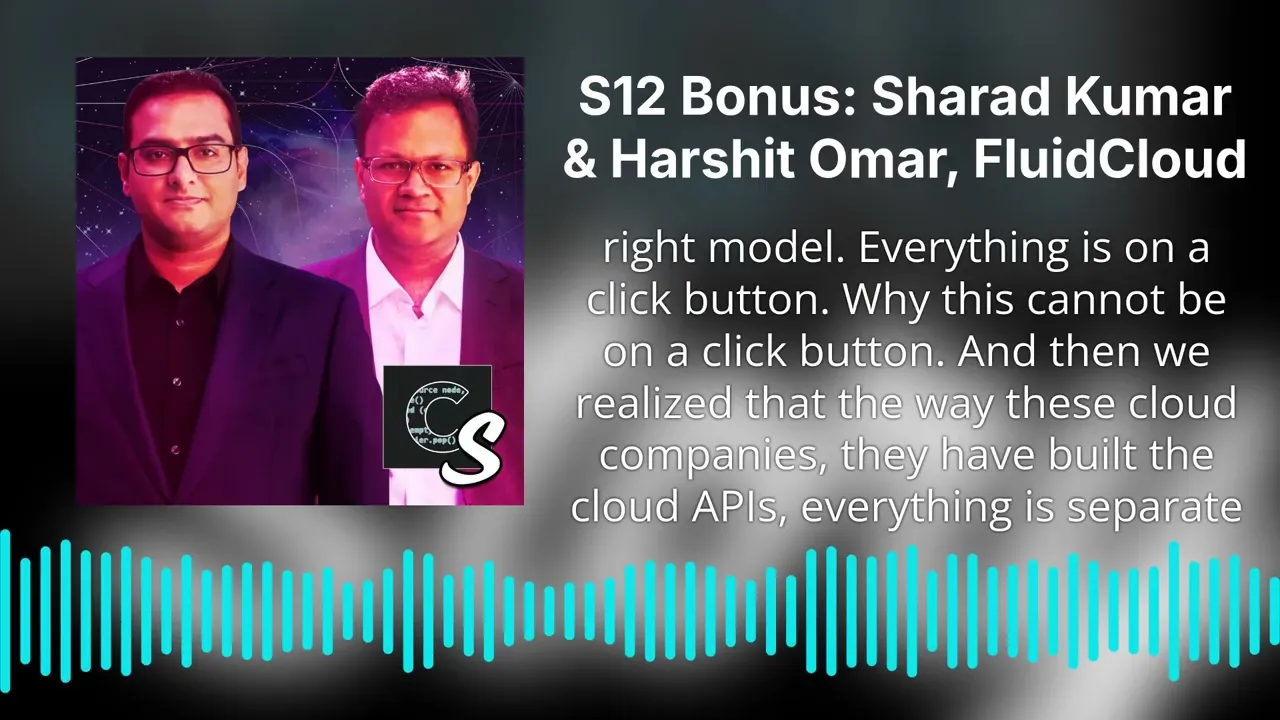
Connected by Wives, and United by Startups, with Sharad & Harshit of Fluidcloud
indie hackers
Transcript
0:00
This episode is sponsored by Brain Grid.
0:02
If you are building with AI coding tools, but your features keep breaking, you need to check out Brain Grid.
0:06
It is the product management agent for AI builders. Brain Grid turns messy ideas into clear specs, tasks, and prompts that coding agents like Cursor and Claude can actually build the right way.
0:20
Ship real software, not fragile prototypes. Start free at brain.ai.
0:27
This episode is sponsored by Alor.
0:29
Global hiring for engineering teams can be a nightmare. Too many providers, hidden fees, slow support, and local rules that don't make sense.
0:37
ALOR is a different kind of EOR partner built for tech companies scaling across borders.
0:51
They help you choose the right country, find and assess engineers, and onboard them in days, not months.
1:22
This episode is sponsored by EquityBe.
1:25
Stock options can be valuable, but exercising them often means taking on real financial risk.
1:39
EquityBe helps you exercise your options without using your own capital.
2:11
This episode is sponsored by Mesmo.
2:20
Mesmo is an active telemetry platform that processes and enriches observability data in real time.
2:47
Today's episode is brought to you by .tech domains.
3:53
Hi I'm Shahed.
3:55
Hi my name is Harshett and we are the co-founders at Fluid Cloud.
4:02
This is Code Story, a podcast bringing you interviews with tech visionaries.
6:09
This is the creation story of Fluid Cloud.
6:15
The world is moving towards AI and innovation, but companies are still locked into cloud providers without flexibility.
6:50
It took 8 to 9 months to migrate between AWS accounts after an acquisition.
7:14
They realized cloud infrastructure should work with a click, not require expensive consulting.
7:29
This led to the idea of building Fluid Cloud with unified cloud APIs.
8:16
Industry disruptions like VMware pricing and Terraform licensing changes validated their idea.
9:42
Discussion about MVP: how long it took and tools used.
9:51
They spent 4 months trying to use AI to generate Terraform automatically but failed.
10:43
AI could not generate 100% accurate infrastructure without human intervention.
11:13
They pivoted to building a massive mapping engine across cloud providers.
12:03
They achieved their MVP with zero-intervention migration in December.
15:31
Discussion about roadmap and product decisions.
16:01
Advice: founders should be the super users and solve their own pain.
17:26
They avoided shortcuts and built production-grade systems even in MVP.
18:54
They compare startup growth to bamboo: slow build, then rapid growth.
19:57
Discussion about building the team and hiring philosophy.
20:49
They look for problem solvers, ambitious, fearless people.
25:26
Discussion about scalability approach.
26:13
They designed the system for scale from day one using enterprise practices.
28:03
VMware pricing changes create a big opportunity for their product.
29:22
They are most proud of their mapping engine and team.
32:40
Discussion about mistakes.
32:52
Biggest mistake: trying to rely too much on AI early on.
33:30
Another mistake: assuming product adoption would be immediate.
35:18
Discussion about the future of Fluid Cloud.
35:29
They aim to make cloud infrastructure fully fluid across providers.
37:06
Influences: Ratan Tata, advisors, and co-founder.
39:11
Inspired by Steve Jobs and Elon Musk for vision and execution.
40:24
Advice to entrepreneurs: validate reality, commit to vision, build resilience.
41:36
Entrepreneurship is painful and requires long-term sacrifice.
42:54
Avoid chasing trends like AI hype; focus on solving real problems.
43:45
Great product + distribution strategy is key.
44:19
Closing remarks and thanks.
45:12
Ad: RedCircle platform for podcast monetization.
Transcript
0:00
This episode is sponsored by Brain Grid.
0:02
If you are building with AI coding tools, but your features keep breaking, you need to check out Brain Grid.
0:06
It is the product management agent for AI builders. Brain Grid turns messy ideas into clear specs, tasks, and prompts that coding agents like Cursor and Claude can actually build the right way.
0:20
Ship real software, not fragile prototypes. Start free at brain.ai.
0:27
This episode is sponsored by Alor.
0:29
Global hiring for engineering teams can be a nightmare. Too many providers, hidden fees, slow support, and local rules that don't make sense.
0:37
ALOR is a different kind of EOR partner built for tech companies scaling across borders.
0:51
They help you choose the right country, find and assess engineers, and onboard them in days, not months.
1:22
This episode is sponsored by EquityBe.
1:25
Stock options can be valuable, but exercising them often means taking on real financial risk.
1:39
EquityBe helps you exercise your options without using your own capital.
2:11
This episode is sponsored by Mesmo.
2:20
Mesmo is an active telemetry platform that processes and enriches observability data in real time.
2:47
Today's episode is brought to you by .tech domains.
3:53
Hi I'm Shahed.
3:55
Hi my name is Harshett and we are the co-founders at Fluid Cloud.
4:02
This is Code Story, a podcast bringing you interviews with tech visionaries.
6:09
This is the creation story of Fluid Cloud.
6:15
The world is moving towards AI and innovation, but companies are still locked into cloud providers without flexibility.
6:50
It took 8 to 9 months to migrate between AWS accounts after an acquisition.
7:14
They realized cloud infrastructure should work with a click, not require expensive consulting.
7:29
This led to the idea of building Fluid Cloud with unified cloud APIs.
8:16
Industry disruptions like VMware pricing and Terraform licensing changes validated their idea.
9:42
Discussion about MVP: how long it took and tools used.
9:51
They spent 4 months trying to use AI to generate Terraform automatically but failed.
10:43
AI could not generate 100% accurate infrastructure without human intervention.
11:13
They pivoted to building a massive mapping engine across cloud providers.
12:03
They achieved their MVP with zero-intervention migration in December.
15:31
Discussion about roadmap and product decisions.
16:01
Advice: founders should be the super users and solve their own pain.
17:26
They avoided shortcuts and built production-grade systems even in MVP.
18:54
They compare startup growth to bamboo: slow build, then rapid growth.
19:57
Discussion about building the team and hiring philosophy.
20:49
They look for problem solvers, ambitious, fearless people.
25:26
Discussion about scalability approach.
26:13
They designed the system for scale from day one using enterprise practices.
28:03
VMware pricing changes create a big opportunity for their product.
29:22
They are most proud of their mapping engine and team.
32:40
Discussion about mistakes.
32:52
Biggest mistake: trying to rely too much on AI early on.
33:30
Another mistake: assuming product adoption would be immediate.
35:18
Discussion about the future of Fluid Cloud.
35:29
They aim to make cloud infrastructure fully fluid across providers.
37:06
Influences: Ratan Tata, advisors, and co-founder.
39:11
Inspired by Steve Jobs and Elon Musk for vision and execution.
40:24
Advice to entrepreneurs: validate reality, commit to vision, build resilience.
41:36
Entrepreneurship is painful and requires long-term sacrifice.
42:54
Avoid chasing trends like AI hype; focus on solving real problems.
43:45
Great product + distribution strategy is key.
44:19
Closing remarks and thanks.
45:12
Ad: RedCircle platform for podcast monetization.
Other podcasts
Mar 11, 2026
The End of Cloud Vendor Lock-In & Future of Multi-cloud! | Fluidcloud | Ctrl Alt Podcast
Ctrl Alt Podcast With Vida Patil
Learn more
Mar 11, 2026
Make Multi-Cloud and Hybrid Cloud Portability a Reality with FluidCloud
packetpushers
Learn more
Jan 19, 2026
Clouds Without Chains: Sharad Kumar and Harshit Omar, FluidCloud
Trident Talks
Learn more